The Sans-Souci Palace

Palais Sans Souci
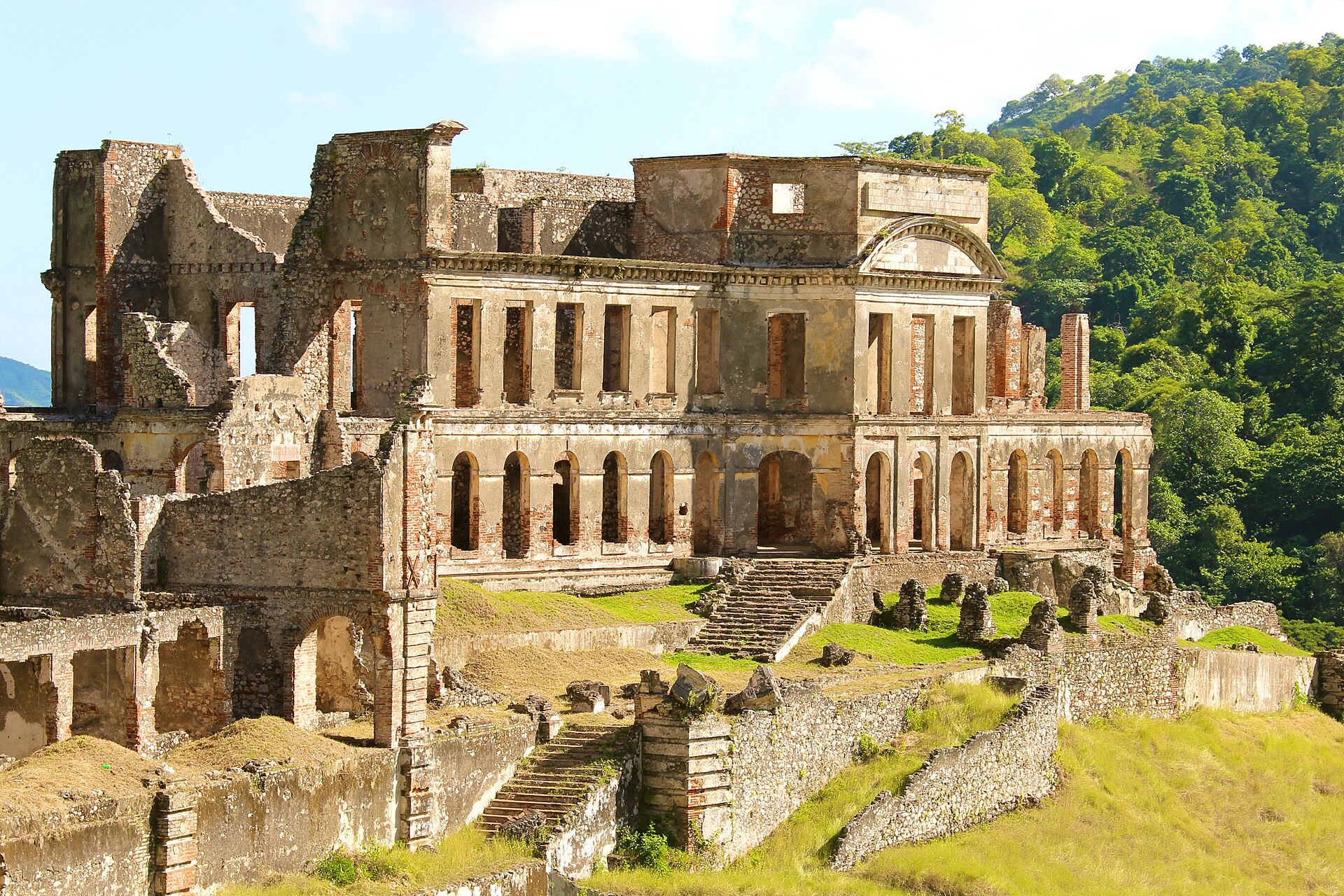
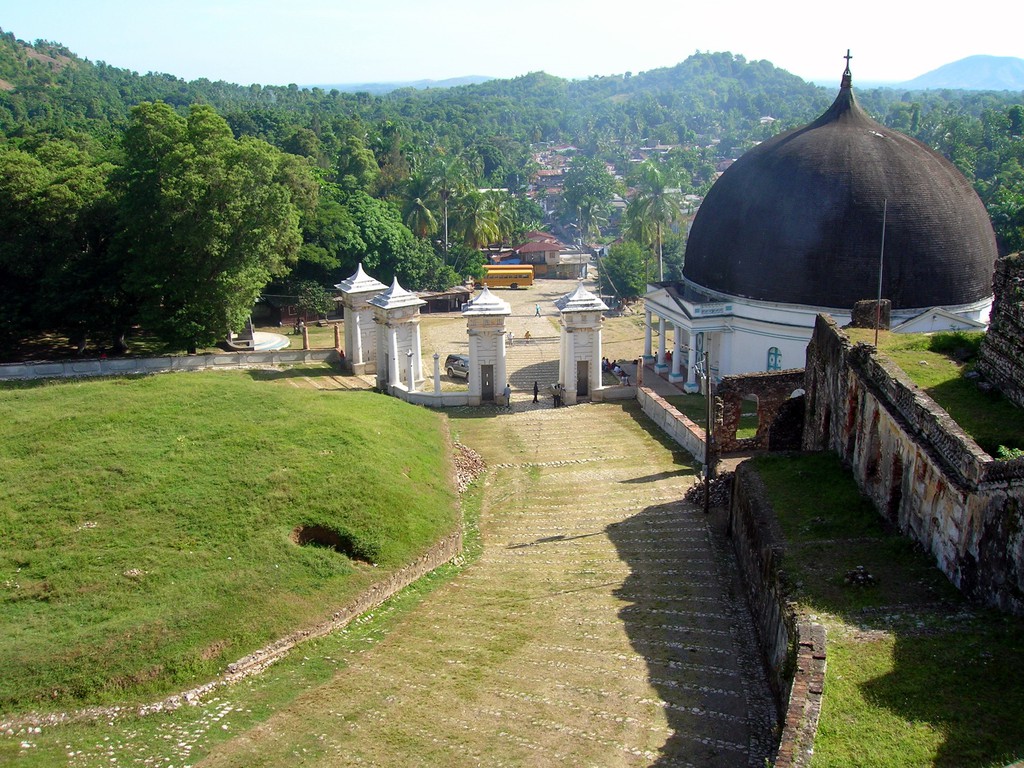
The Palace of Sans-Souci, also known as Sans-Souci Palace (French: Palais Sans Souci), served as the main royal residence of Henry I, the King of Haiti—better known as Henri Christophe. Situated in the town of Milot, the palace lies about five kilometers (three miles) northeast of the Citadelle Laferrière and roughly thirteen kilometers (eight miles) southwest of the Three Bays Protected Area. As one of the first major structures built in a free Haiti following the Haitian Revolution, both the Palace and the nearby Citadelle have become enduring symbols of Haitian identity and global freedom. In recognition of their cultural and historical significance, they were added to the UNESCO World Heritage List in 1982.
History
The name of the palace, which means "carefree" in French, has several notable connections. It is shared with Jean-Baptiste Sans Souci, a loyal military leader of the Haitian Revolution who was executed by Henri Christophe in 1803. The same name appears at Sanssouci Palace in Potsdam, Germany, the famous residence of Frederick the Great. It is also the name of the San Souci Estate in Grenada, where Christophe himself was once enslaved before coming to Haiti.
The revolutionary leader Jean-Baptiste Sans Souci was an African slave who likely adopted his name from a district near the parish of Grande Rivière, where he first led guerrilla fighters against the French in 1791. When Henri Christophe and other military commanders broke away from the French, they invited Sans Souci to join them, but he refused—viewing Christophe in particular as a traitor. Roughly ten years before Christophe built his palace, the future king sent Colonel Sans Souci a conciliatory message, asking him to come to his headquarters at the main Grand Pré plantation (adjacent to the Milot plantation, where the palace would later rise). When Sans Souci arrived, however, Christophe’s guards killed him and his small escort with bayonets. The palace was then built only a short distance away—or possibly directly on the very spot where Sans Souci was murdered.
Construction
Between 1810 and 1813, an unknown number of workers built the palace of Sans-Souci. It served as the residence for King Henri Christophe, his family, Queen Marie-Louise, their children, and their royal staff. Among the nine palaces, fifteen châteaux, numerous forts, and sprawling summer homes commissioned by the king across his twenty plantations, this was the most important. The nearest major city and airport is Cap-Haïtien.
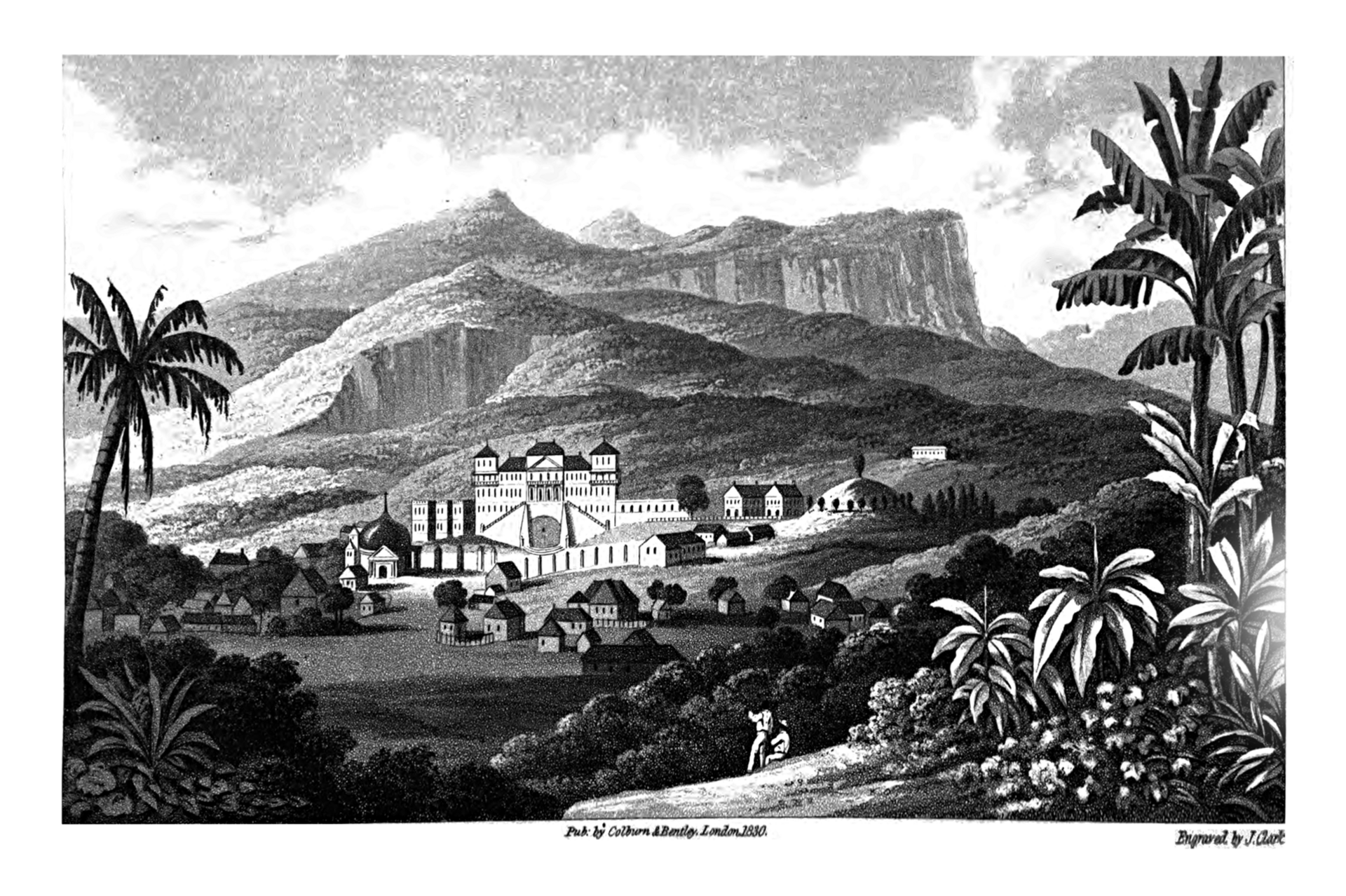
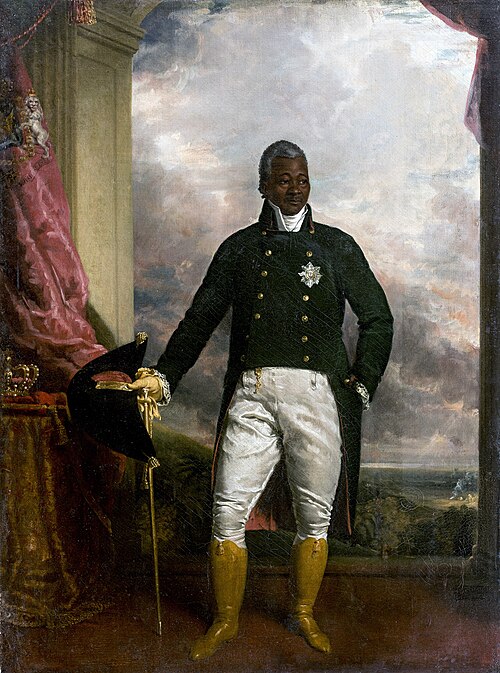 Before the palace stood, Milot was a French plantation that Christophe managed during the Haitian Revolution. Known for his ruthlessness, Henri Christophe ruled with an iron fist—it remains unknown how many laborers died constructing the palace. Under his reign, Sans-Souci hosted lavish feasts and dances, featuring vast gardens, artificial springs, and an elaborate waterworks system. Ironically, the site was once where Christophe himself labored in the fields for the French.
Though now a ruin, Sans-Souci was once hailed as one of the most magnificent buildings in the West Indies, according to an American physician who visited at the time.
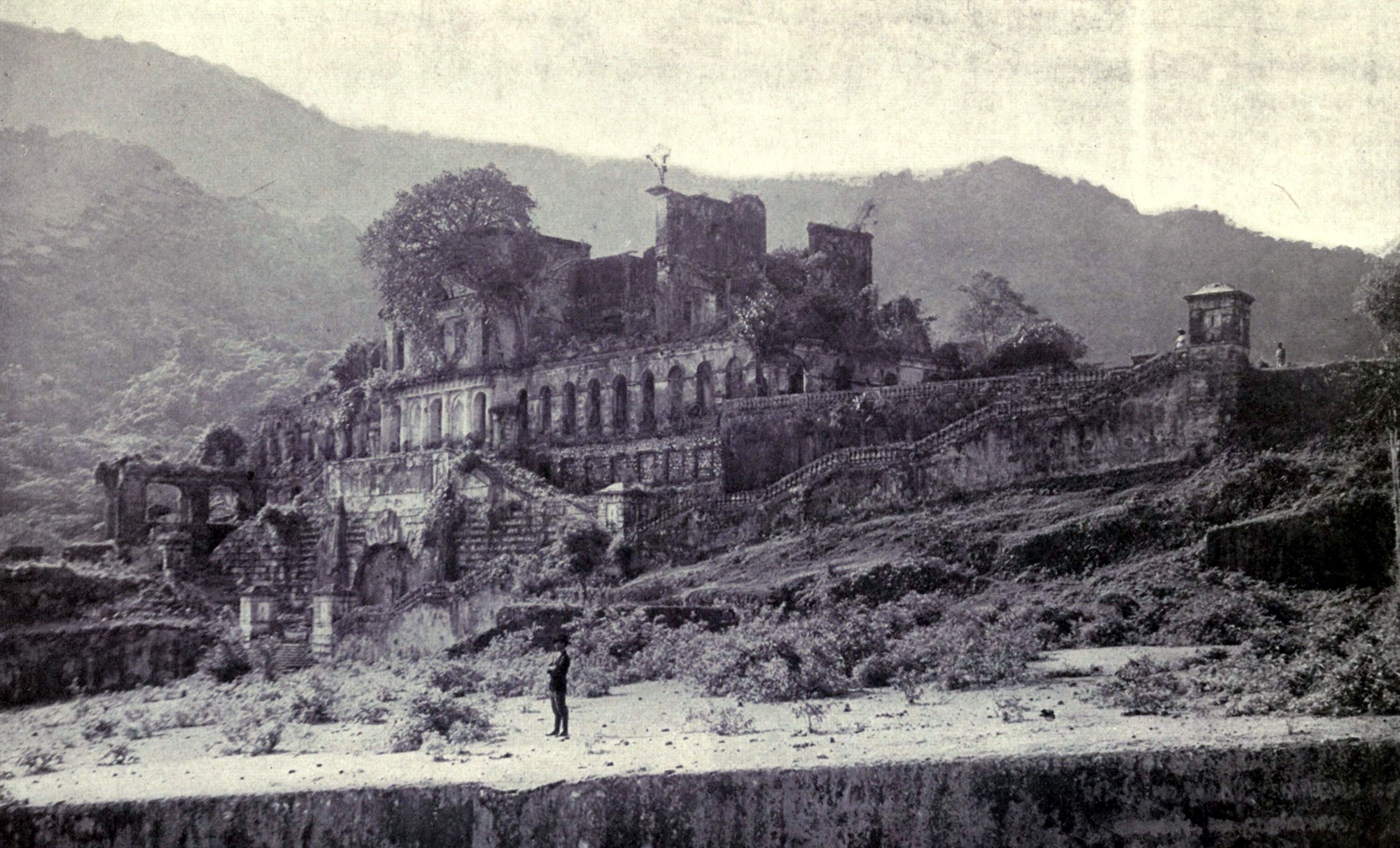
Christophe struggled to govern amid growing discontent from laborers and elites who found his rule oppressive. After suffering a stroke in 1820, his weakened state sparked rebellions. During an attack on the palace, he committed suicide with a silver bullet. Shortly after, the southern Republic seized his territory, stripped Sans-Souci of its valuables, and left it abandoned.
Nearby stands the mountaintop fortress Citadelle Laferrière, built under Christophe’s decree to repel a feared French invasion that never came. It can be reached by following the trail behind the palace.
After his stroke on August 15, 1820, Christophe shot himself on the palace grounds on October 8, 1820. He was buried in the Citadelle. His son and heir, Jacques-Victor Henry, was bayoneted to death by revolutionaries ten days later.
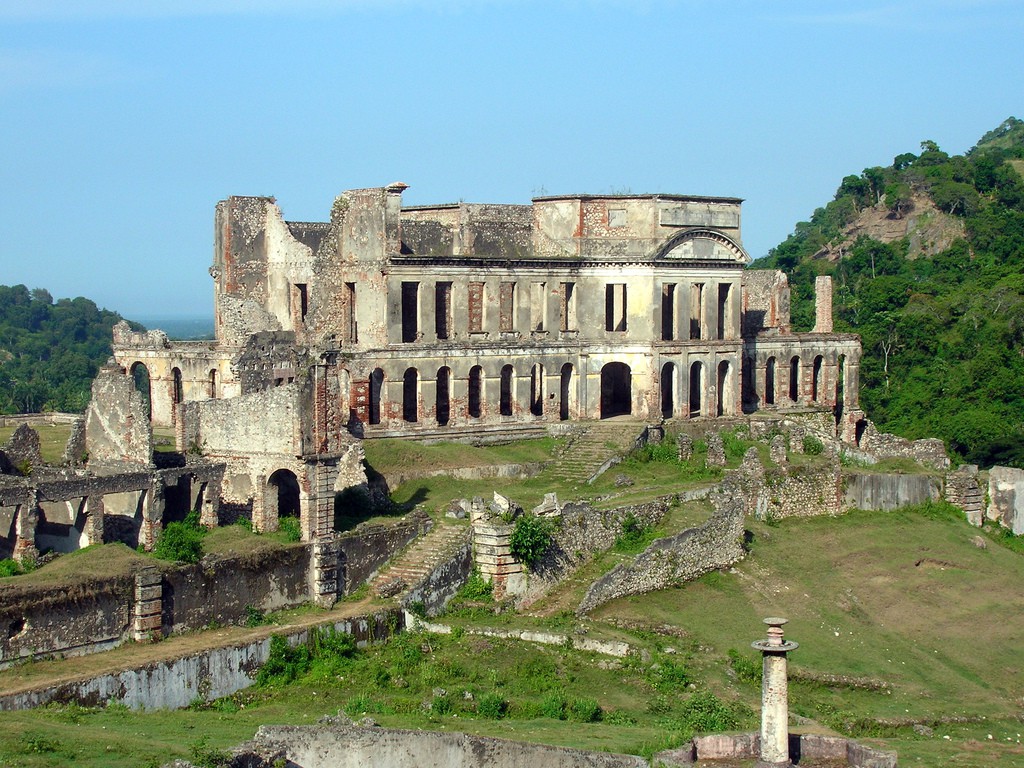
A powerful earthquake in 1842 severely damaged the palace and devastated nearby Cap-Haïtien; Sans-Souci was never rebuilt. The adjacent Church of Our Lady of the Immaculate Conception was later rebuilt but burned down in 2020.
The 1842 earthquake caused further destruction and breakage, and since then the ruins have been largely neglected. While some see them as a symbol of Christophe’s fallen kingdom, others view Sans-Souci as a powerful emblem of Haitian resistance, freedom, and national pride—standing defiant in the face of slavery and colonization.